Nerve Rehab Guide for Top Surgery
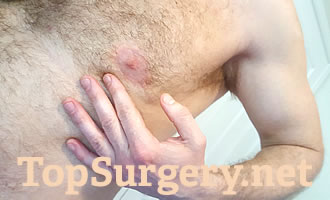
After top surgery, it’s common to experience numbness, tingling, or altered sensation across the chest and nipples. This happens because nerves that carry feeling to the skin and nipple–areolar complex (NAC) are cut, stretched, or repositioned during surgery. While every person heals differently, nerves are capable of regenerating, albeit slowly, and the brain can be retrained to recognize and respond to new sensory input. That’s where nerve rehabilitation comes in.
Nerve rehabilitation (or sensory re-education) is a series of exercises and practices designed to stimulate healing nerves, encourage regrowth, and help the brain adapt to changes in sensation. Techniques can include gentle touch with different textures, vibration, temperature awareness, and guided touch exercises.
Nerve rehab can benefit anyone who has had top surgery, regardless of the surgical technique. People who’ve had procedures where nerves are preserved (such as keyhole, periareolar or double incision with sensory nerve preservation) may experience more direct improvements in touch and erogenous sensation. For those whose nerves were fully severed (such as with free nipple grafting), exercises may still support sensory awareness, reduce hypersensitivity, and help the brain remap sensation, though the degree of benefit will vary.
Rehab typically begins once incisions are healed and you’re cleared to proceed by your surgeon, usually after the first 6 weeks. It can be done at home, often as simple daily exercises lasting only a few minutes. By providing consistent, safe stimulation, nerve rehab can speed up the return of everyday sensation and help your brain relearn where touch is happening on your chest. Progress is gradual, but regular practice not only supports nerve healing but can also strengthen your sense of connection to your new chest.
Precautions in the Early Healing Stage (0–6 Weeks)
During the first several weeks after surgery, the focus is on protecting your healing chest. It’s important not to overstimulate areas that are numb because your nerves need time to recover before active rehab begins. At this stage, you can start with very light awareness exercises, such as brushing soft fabric across areas of your chest that are already intact and healed, simply to help your brain stay connected to your body as it heals.
Sensory Re-Education Exercises
Once your incisions have healed and your surgeon has cleared you for touch-based rehab, you can begin sensory re-education exercises. These activities are designed to gently stimulate healing nerves, encourage regrowth, and help your brain relearn how to recognize and interpret touch on your chest.
Gentle Desensitization (6+ Weeks)
- Use different textures (cotton ball, silk, towel) to lightly brush across the chest.
- Progress gradually from soft textures to medium (washcloth) and then firmer ones.
- Purpose: Helps nerves adjust to touch and reduces sensitivity changes.
Temperature Awareness (8–12 Weeks)
- Alternate a warm washcloth and a cool cloth on the chest (never extreme temperatures).
- Purpose: Trains nerves and the brain to recognize safe temperature differences.
Tactile Awareness (3–6 Months)
- With eyes closed, gently touch an area of the chest, then open your eyes to confirm where.
- Purpose: Re-teaches your brain to identify the location of touch accurately.
Vibration Therapy (3–12 Months)
- Apply a low-intensity vibrator or electric toothbrush to healed skin.
- Purpose: Stimulates deeper nerve endings and supports sensory recovery.
Continued Sensory Rehab (6–18 Months)
Even after the first several months, nerve recovery can continue for up to a year or more. During this period, it’s helpful to keep up with gentle touch and texture exercises on any areas that still feel numb or inconsistent. Pay attention to subtle improvements in sensation, and gradually adjust your exercises by varying textures, pressure, and motion to continue stimulating nerve regrowth.
When to Contact Your Surgeon
During nerve recovery, it’s normal to notice tingling, “shocks,” or zaps. These sensations are a sign that nerves are regrowing and the brain is re-establishing connections. While these feelings are typically harmless, there are a few “red flags” that should prompt you to contact your surgeon:
- Painful or extreme hypersensitivity that doesn’t improve.
- Persistent numbness with little or no change after 18–24 months.
- Sudden loss of sensation after it had previously started to return.
Nerve recovery after top surgery is a slow process, with nerve regrowth literally measured in millimeters per day. Progress can be gradual, so it’s important to celebrate small wins, like the first tingles, the return of touch, or sensitivity in new areas. Keeping a journal to track your exercises, sensations, and milestones can help you notice subtle improvements over time and stay motivated throughout your recovery journey.
Want to Learn More About Preserving Sensation?
A new approach called Sensory Nerve Preservation (SNP) is changing the way some surgeons perform double incision top surgery. By carefully protecting key nerves during surgery, this technique helps more patients regain sensation in the nipple-areola complex and surrounding chest skin. If you’re interested in the latest advancements for keeping your chest feeling more natural after surgery, check out our article, The New Frontier of Top Surgery: Sensory Nerve Preservation.
Acknowledgement
This guide was inspired by the OHSU Phalloplasty Nerve Rehab Guide (PDF). Many thanks to OHSU for providing a clear and practical framework on nerve recovery and sensory re-education, which helped shape this resource for people navigating their top surgery recovery.
Last updated: 09/15/25