Sponsored Article
Top Surgery Drains: Are They Really Necessary?
For many transmasculine and non-binary individuals pursuing Top Surgery, the idea of post-surgical drains can be daunting. These small tubes are often described as one of the most frustrating and uncomfortable parts of recovery. Are they actually necessary for a safe and smooth healing process?
What Are Surgical Drains?
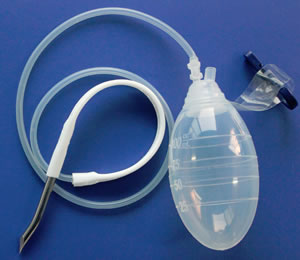
Surgical drains are thin tubes placed inside the body to remove excess blood, lymph, or pus that can accumulate at the surgical site. This fluid, if left uncollected, can increase the risk of complications like infection, pain, swelling, and delayed healing. Drains also help eliminate “dead space”—the empty cavity created after tissue is removed—which can otherwise fill with fluid or air.
The most common type of drain used in Top Surgery is the Jackson-Pratt (JP) drain, a closed-suction system that collects fluid in a small plastic bulb. Some surgeons may use Penrose drains, which allow fluid to passively drain onto gauze, but these are less common.
Do Drains Actually Help?
While drains can prevent complications related to fluid buildup, the evidence supporting their routine use is mixed. In breast surgery, for example, research has not consistently shown drains to reduce the risk of infection or hematoma . However, they have been shown to reliably decrease the incidence of seromas, a complication that arises from pockets of clear fluid that collect under the skin.
Drains are not without drawbacks. They can be uncomfortable, introduce a small risk of infection, and may function poorly if obstructed, improperly placed, or removed too soon. Some patients also find the drain management, which includes emptying, measuring, and recording the fluid output, to be burdensome during the first week of recovery.
What Do Experienced Surgeons Say?
Dr. Scott Mosser, a board-certified plastic surgeon who specializes in Top Surgery, takes an individualized approach to the use of drains. For Keyhole procedures, where there’s minimal tissue removal, he routinely uses drains. But for Double Incision Top Surgery, his decision depends on how much tissue is removed and how much chest contouring is required.
Dr. Mosser’s technique involves meticulous contouring of the upper chest and sides. This often includes significant undermining, a surgical method that separates skin from underlying fascia to improve contour, which increases the risk of fluid accumulation (seromas and hematomas). In such cases, drains help reduce that risk.
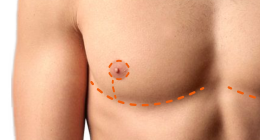
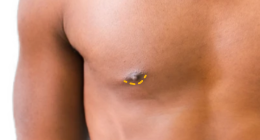
Importantly, Dr. Mosser places drains through the primary surgical incision (under the pectoral muscle), which eliminates the need for additional drain exit wounds. This often results in less pain and less noticeable scarring for his patients.
What About Drain-Free Top Surgery?
A growing number of surgeons now perform drain-free Top Surgery, using techniques like quilting sutures or progressive tension closure to eliminate dead space without the need for drains. These methods can reduce fluid buildup while offering a smoother recovery experience.
If you're concerned about having drains, consider speaking with a surgeon who regularly performs drain-free procedures. That said, many patients report that drains weren’t nearly as bad as they feared—and if they reduce the risk of complications, their brief inconvenience may be well worth it.
Top Surgery Drains FAQ
Are drains painful?
Most people describe drain discomfort as mild, especially around the insertion site. Removal feels strange, like pressure or a tug, but not painful. The process is very quick, often lasting only a few seconds.
How are drains cared for after surgery?
You'll typically need to empty your drains at least twice a day and record the fluid output. Your surgeon will provide detailed hygiene instructions. Here’s a helpful video by Dr. Drew Schnitt on how to care for surgical drains after Top Surgery.
When will my drains be removed?
Surgeons usually remove drains when daily fluid output falls below 20–30cc for two consecutive days. This usually happens around day 5 to 7 post-op.
Can I do anything to get my drains removed sooner?
Some believe that excessive arm movement increases fluid output, though there's no solid evidence to support this. Regardless, most surgeons recommend limiting upper body activity during early healing to avoid complications.
Drains may seem intimidating, but they serve a purpose: reducing fluid-related complications and supporting proper healing after Top Surgery. Whether or not your surgeon uses them depends on your body, surgical method, and your surgeon’s technique. If you’re concerned about drains, ask your surgeon about your options, but know that for most people, drains are a manageable part of recovery.
 Dr. Scott W. Mosser, MD, FACS is a board-certified plastic and reconstructive surgeon in San Francisco who is one of the most experienced Top Surgery surgeons in the world. Dr. Mosser is a member of WPATH and accepts insurance for Top Surgery from a growing list of insurance companies.
Last updated: 06/19/25